
Atlanta Divorce Records
Atlanta divorce records are held at the Fulton County Superior Court, though parts of Atlanta also fall within DeKalb County, which means some residents may need to check both courthouses. This guide explains how to search, request copies, and file for divorce in Atlanta.
Atlanta Quick Facts
Where Atlanta Divorce Records Are Kept
Atlanta sits mostly in Fulton County, but the city extends east into DeKalb County as well. Your divorce records will be at whichever county courthouse handled the case. If you're not sure which county applies, check your zip code against the county line. Most Atlanta residents file in Fulton County.
The Fulton County Superior Court keeps all divorce records for cases filed in Fulton County. The court's Family Division handles domestic matters including divorce, annulment, and separate maintenance. You can visit in person, mail a written request, or search online through the court's records portal.
| Court | Fulton County Superior Court |
|---|---|
| Address | 136 Pryor Street SW, Suite J2-640, Atlanta GA 30303 (Family Division: Suite C155) |
| Phone | (404) 613-5313 |
| Hours | Monday through Friday, 8:00 AM to 5:00 PM |
| Website | https://fultoncountycourt.org/ |
If your address is in the DeKalb County portion of Atlanta, contact the DeKalb County Superior Court instead. That office is at 556 N. McDonough Street in Decatur, and you can reach them at (404) 687-3800. Their website is https://www.dksuperiorclerk.com/. Both courts maintain their own separate records.
Note: If you moved after the divorce was finalized, the records stay at the county where the case was originally filed, not where you currently live.
How to Search Atlanta Divorce Records
The Fulton County Superior Court offers an online records search at https://fultoncountycourt.org/records-search/. You can look up cases by name, case number, or filing date. Most records are indexed and available through this portal, though some older cases may require an in-person visit.
Another strong option is the Georgia Superior Court Clerks' Cooperative Authority, known as GSCCCA. Their statewide search tool at https://www.gsccca.org covers many counties and can be useful when you're not sure which county handled a case. Fulton County records are included in the GSCCCA index.
The screenshot below shows the GSCCCA search portal, which Atlanta residents can use to search divorce case indexes across Georgia counties.
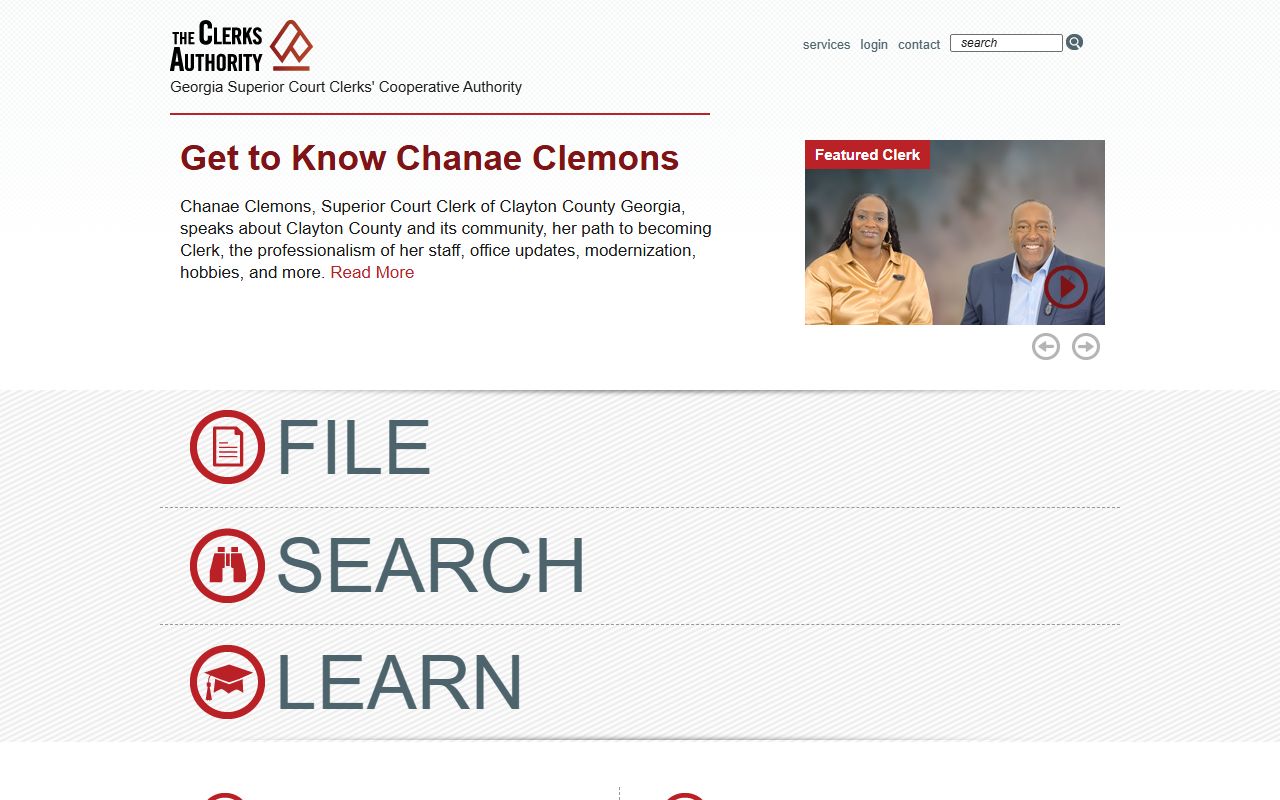
The GSCCCA index is a good starting point, but it shows case index data only. To get certified copies or actual documents, you'll need to contact the court clerk's office directly.
Georgia Courts also maintains an eAccess system for court records. Visit https://georgiacourts.gov/eaccess-court-records/ to see which participating courts offer online access. This is separate from the Fulton County portal but worth checking for statewide coverage.
For in-person visits to the Fulton County courthouse, bring photo ID and any case details you have. Staff can run name searches and pull files from storage. Mail requests should be addressed to: Attn Records Division - Divorce Records, Fulton County Superior Court, 136 Pryor Street SW, Suite J2-640, Atlanta GA 30303.
Filing for Divorce in Atlanta
To file for divorce in Georgia, at least one spouse must have lived in the state for a minimum of six months before filing. This requirement comes from O.C.G.A. § 19-5-2. Atlanta residents typically file at the Fulton County Superior Court, or at DeKalb if that's the applicable county.
Georgia recognizes both no-fault and fault-based divorce. The no-fault ground is that the marriage is irretrievably broken. Georgia law also allows divorce on thirteen fault grounds, listed in O.C.G.A. § 19-5-3, including adultery, desertion, and cruel treatment. Most Atlanta filers use the no-fault ground.
Forms for divorce cases in Georgia are available through the Georgia E-Forms system at https://eforms.georgiacourts.gov/. You'll find petitions, financial disclosures, and parenting plans there. Pro se filers (those without an attorney) can use these forms to prepare their own documents.
Once you file, the defendant must be served with the divorce petition. Georgia law under O.C.G.A. § 19-5-1 requires proper service before the case can proceed. If both parties agree on all terms, the court can grant the divorce without a trial, typically through a consent order signed by a judge.
Note: Divorce cases involving minor children require additional steps, including a parenting plan and sometimes a guardian ad litem appointment.
Atlanta Divorce Record Fees
At the Fulton County Superior Court, copy fees for divorce records depend on the type of copy and how many pages are involved. A certified copy costs $2.50 for the first page and $0.50 for each additional page. Electronic copies are $2.50 for the first page and $1.00 for each additional page.
These fees apply when you request copies directly from the court. If you need a plain (non-certified) copy, it may cost less. Always confirm current fees with the clerk's office before sending payment, as fee schedules can change.
The screenshot below shows the Georgia Department of Public Health vital records page, which offers divorce record verifications separate from court copies.
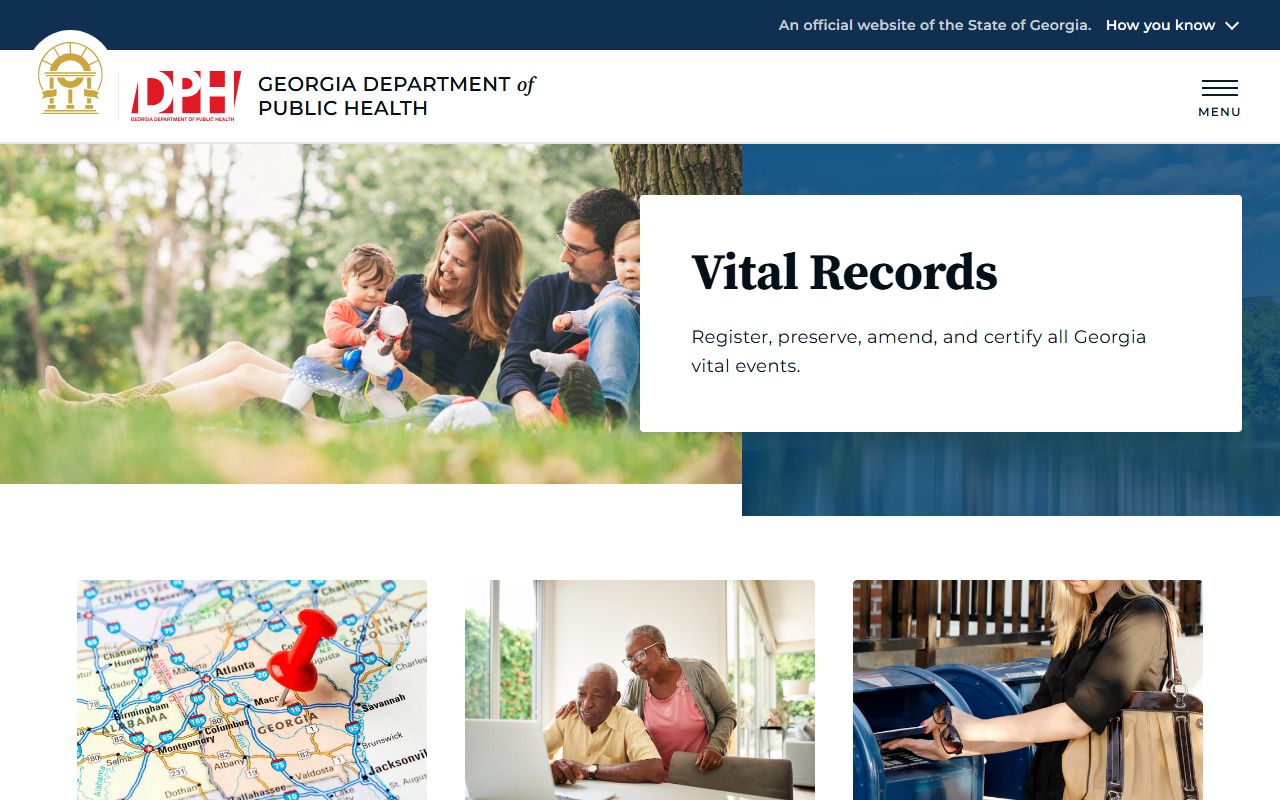
The Georgia Department of Public Health at https://dph.georgia.gov/VitalRecords offers divorce verifications for cases recorded between 1952 and 1996. The fee is $10 per verification. These are not certified court copies but are useful for basic proof of a divorce during that period.
For divorces before 1952 or after 1996, you'll need to contact the county court where the case was filed. DeKalb County Superior Court has its own fee structure that may differ from Fulton's.
Legal Help for Atlanta Residents
Georgia Legal Aid provides free or low-cost legal help to qualifying Atlanta residents. You can apply online or find local offices through https://www.georgialegalaid.org/. They handle family law matters including divorce, and their website has self-help guides for common situations.
The Atlanta Legal Aid Society is a separate organization serving the metro Atlanta area with low-income civil legal services. Their offices are near the Fulton County courthouse and they often assist with divorce filings, custody matters, and protective orders.
If you want to file on your own, the Georgia E-Forms portal at https://eforms.georgiacourts.gov/ provides official court forms. Fulton County Superior Court also maintains a self-help center for pro se litigants with staff who can answer procedural questions, though they cannot give legal advice.
The State Bar of Georgia operates a lawyer referral service where you can find a licensed Georgia family law attorney. Initial consultations through the referral program are typically available at a reduced rate. For more complex cases, especially those involving significant assets or child custody disputes, hiring an attorney is worth considering.
Note: Georgia Legal Aid eligibility is based on income; Atlanta residents above the income threshold can contact the State Bar referral service instead.
Fulton County Divorce Records
Atlanta is in Fulton County. All divorce records for Atlanta go through the Fulton County Superior Court. Visit the county page for more details on fees, forms, and search options.